Mapping parcel delivery and the hidden journey inside hospitals
Hospitals rely on a constant stream of deliveries every day, ranging from bulk supplies to sensitive medical goods. These parcels often travel through the hospital, affecting the daily work of doctors, nurses and logistics staff.
An international logistics company wanted to improve its services by gaining an understanding of the processes involved in the delivery and receipt of clinical trials, medical devices and pharmaceutical packages within hospitals across different regions.
This project focused on understanding hospital logistics in Northern Europe and providing a contextualised understanding of the journey of packages, including the needs and experiences of hospital employees involved in the logistics process.
Context
This group project was carried out as part of the Contextmapping Skills elective Master’s course at Delft University of Technology’s Faculty of Industrial Design Engineering in 2020-21 (during COVID lockdown), in collaboration with Muzus, who provided guidance during the course.
Project members
- Lisa Eijelkamp
- Erika Hajdu (me)
- Daan Gehlen
- Maria Geuze
- Rucha Khot
- Yin-Jen Lee
- Jinnan Yan

Approach & Methods
- Contextmapping (sensitizing for interviews)
- Semi-structured interviews
- Journey & system mapping (visualising parcel journeys within hospitals at multiple levels)
- Personas (different hospital roles)
- Data analysis and synthesis (thematic analysis)
Tools
- Google sheets (online workbooks for interviewees)
- Zoom (cross-border interviews and client communication)
- Miro (collaborative mapping and analysis, and final client workshop)
- Adobe Illustrator & Photoshop (making personas and system map)
The process
We used the contextmapping method. This is a method for discovering hidden needs of people by using their creativity and asking them to make things. Participants may fill out a workbook, make collages or drawings, or build with LEGO, among many other activities. This approach lets people express themselves in ways they might not otherwise, building on deep empathy and allowing us to go deeper than simple interviews.
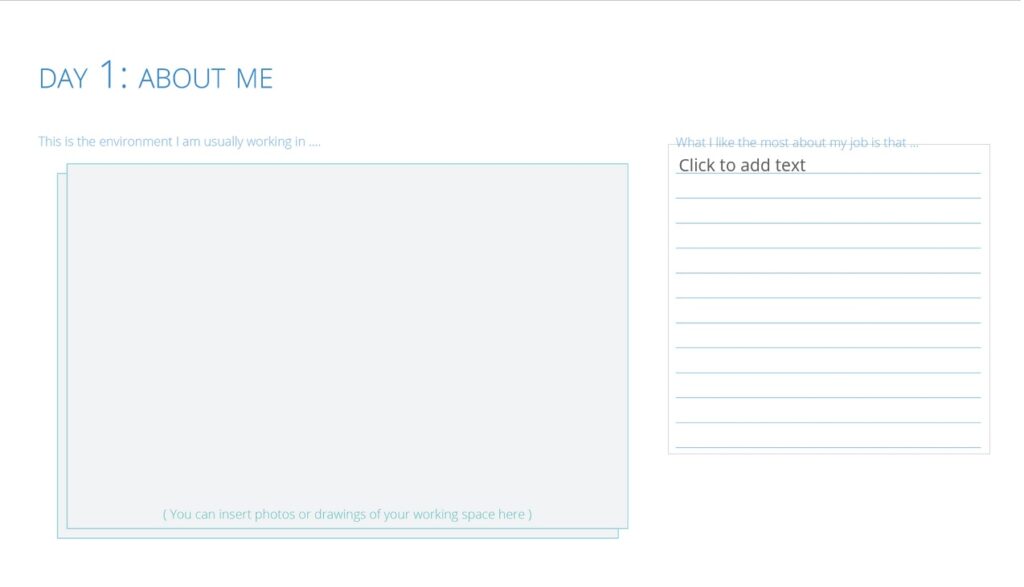
As the project was entirely online, it was difficult to provide this hands-on element. After we recruited eight hospital professionals from Norway, Denmark, and the Netherlands (including doctors, nurses, logistics staff, and procurement officers), we gave them an online slide deck to complete and enrich with photos and drawings, similar to a physical workbook. The digital workbook was used for the semi-structured interviews. I took part in planning, carrying out, and analysing these interviews.
Results
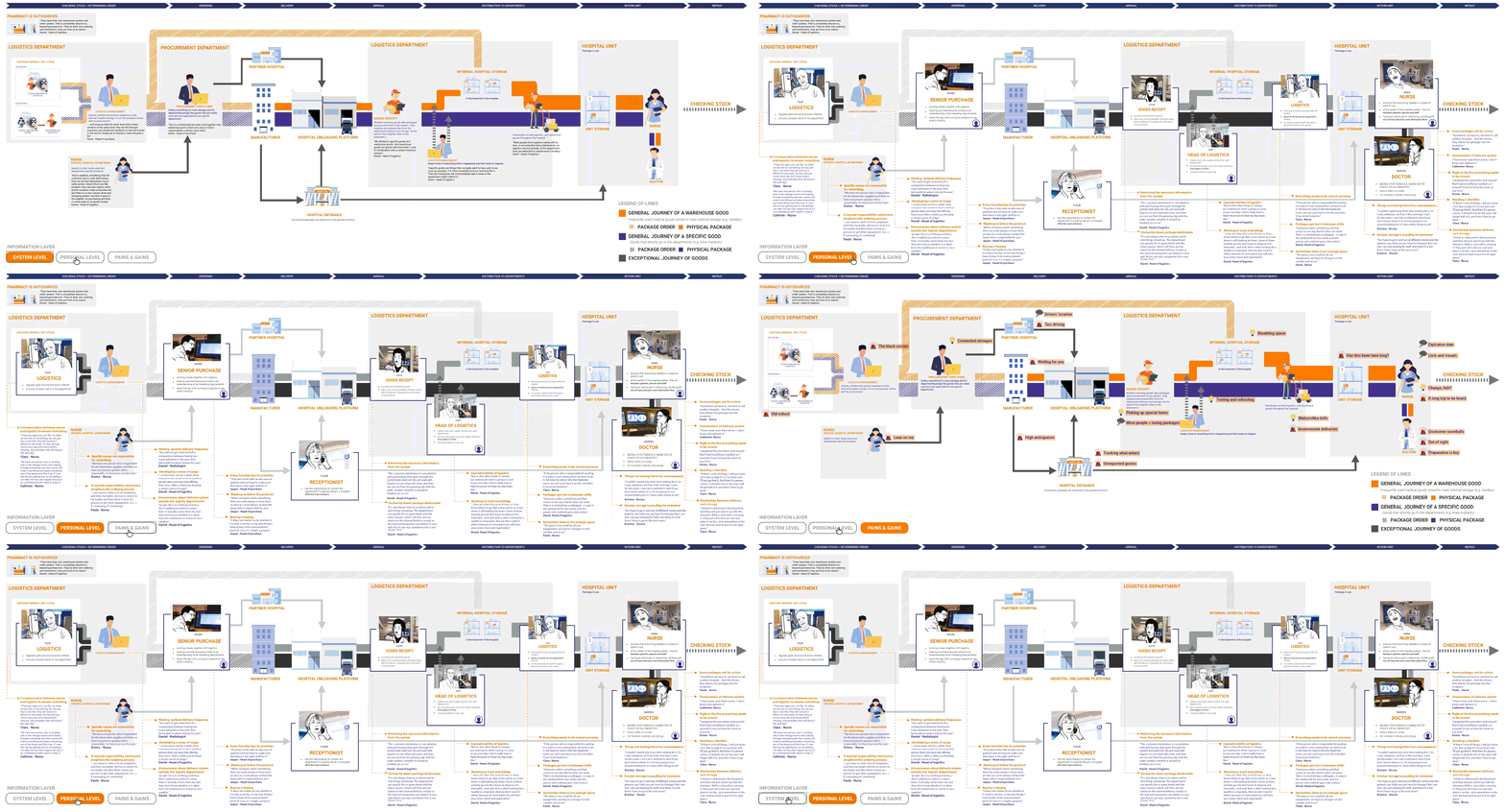
Participants’ insights were used to create an interactive journey/systems map illustrating the journey of parcels through a fictional hospital, including personas that I created for this project.
The map is divided into three layers:
- Pains & gains: challenges and opportunities for improvement.
- System level: how packages move through departments.
- Personal level: the roles, tasks, and experiences of hospital staff.
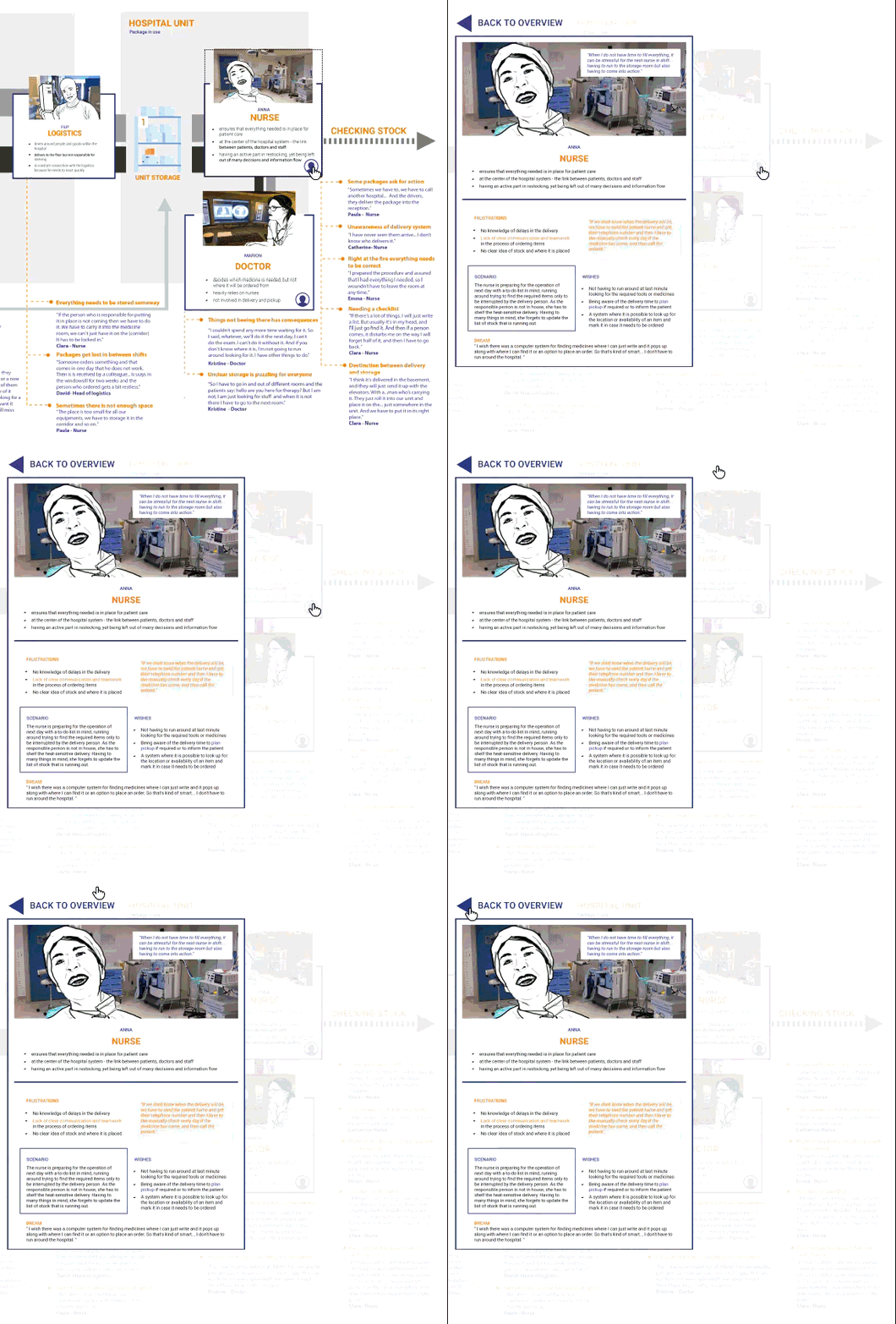
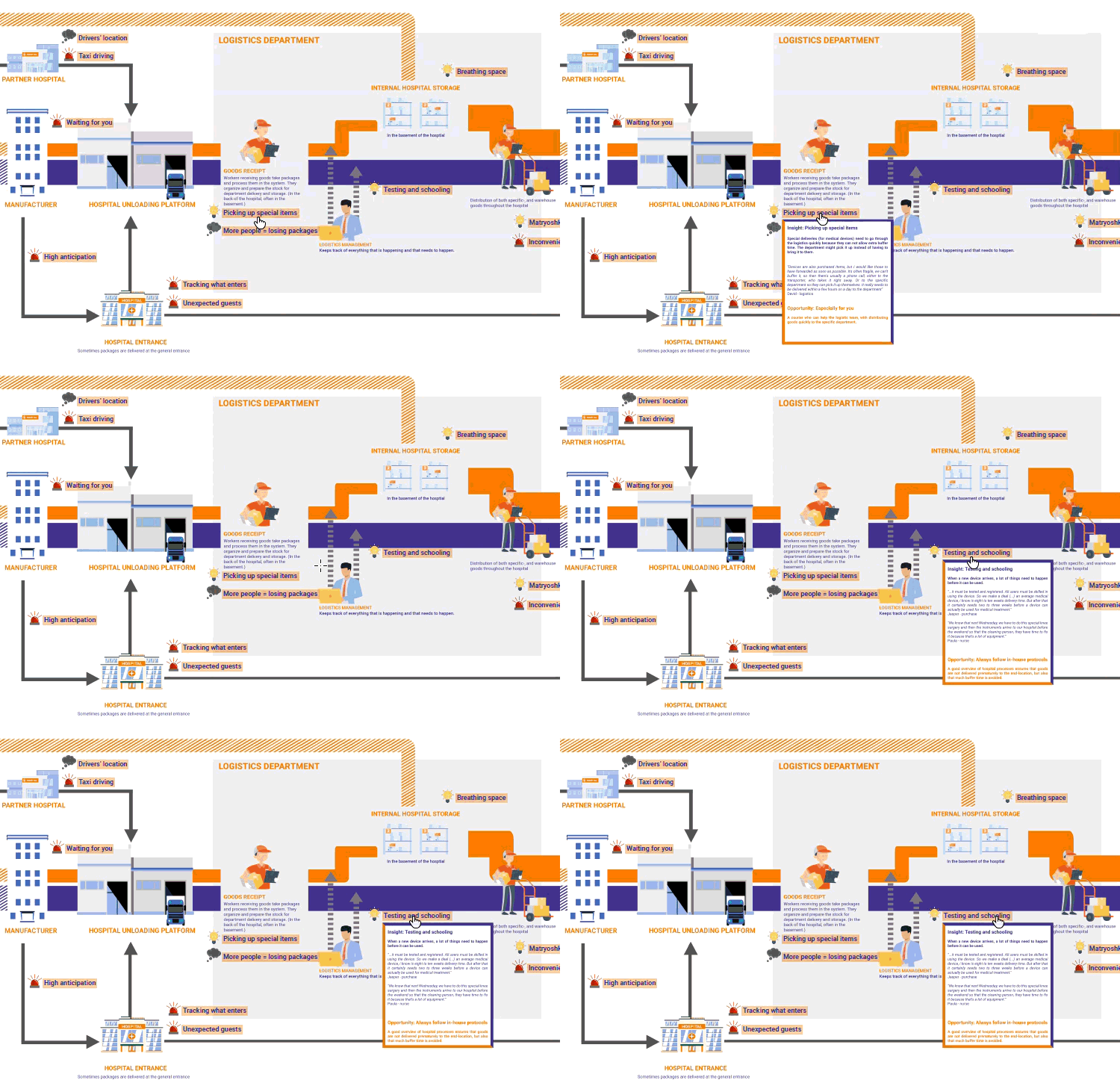
The map was designed by a fellow team member, but the responsibility for project management and for ensuring quality was mine. The insights were translated clearly thanks to my organisational skills and attention to detail.
We presented our findings to the client in an online workshop, sharing our insights and tips and encouraging the representatives to engage with the data through various exercises to foster empathy and their ownership of the project.
Benefits
Insights on how packages move within hospitals and where couriers and service providers can improve their role by identifying and addressing “pain points” and “opportunities” within the system, along with additional recommendations for becoming a valuable part of hospital operations. Knowing exactly where to go, when to be there and how to help enables couriers to integrate more seamlessly into the complex hospital system.